
From the roaring seas of the 17th century to blockbuster movies and literary classics, pirates continue to haunt our collective imagination.
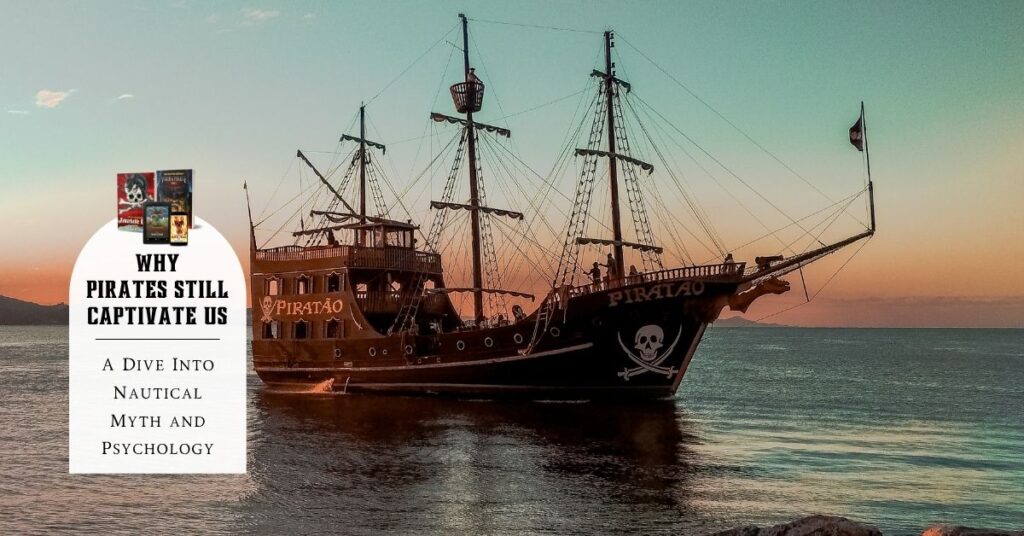
But what is it about these historic sea rogues that still captivates us long after the Golden Age of Piracy? The enduring allure of pirates extends beyond swashbuckling tales and treasure chests—it’s embedded in psychology, myth, and our romantic yearning for rebellion.
Let’s explore why pirates still enthrall us through the lenses of nautical mythology, sea voyage fiction, and the timeless human hunger for freedom.
The Archetype of the Pirate
Psychologically, pirates tap into the timeless archetype of the rebel. Like Robin Hood of the high seas, they defy authority and live by their own rules. Whether it’s Captain Jack Sparrow’s chaotic brilliance or Long John Silver’s cunning duplicity, these figures let us channel our inner rebels.
Carl Jung’s theories of archetypes place pirates in the roles of both “trickster” and “rebel”—symbols of unpredictability, danger, and wit. This aligns perfectly with the appeal of characters found in high seas thrillers and nautical adventure fiction.
Nautical Mythology and Symbolism
The ocean has long been a metaphor for the unknown. Pirates don’t just sail into mystery—they thrive in it. In maritime thrillers and seafaring adventure stories, the sea becomes a stage for personal and mythic transformation.
Sailors’ yarns of krakens, ghost ships, and cursed treasure contribute to the pirate mythos. From “Treasure Island” by Robert Louis Stevenson to “The Sea-Wolf” by Jack London, pirates are not just seamen—they’re storytellers, rebels, and figures of legend.

The Romanticized Rebel
Modern pirate fiction romanticizes what was historically a brutal and short-lived lifestyle. Still, from “Pirate Latitudes” by Michael Crichton to “Sea Queens” by Jane Yolen, authors reframe pirates as witty, morally complex adventurers in seafaring novels.
Ocean adventure novels fulfill deep-seated desires for freedom, danger, and purpose—delivered through thrilling sea journey novels and pirate tales full of daring escapades.
The Pirate Code: Order Amid Anarchy
Contrary to popular belief, pirate crews often operated under strict codes—early forms of maritime democracy. The Pirate Code, as dramatized in books and sailing saga books, reflects a surprisingly structured system of fairness and shared survival.
This appeal to alternative systems of justice resonates today and is explored in works like “The Republic of Pirates” by Colin Woodard, a nonfiction exploration of pirate life.
Pirates as Social Commentary
Pirates challenge authority not just in fiction but as symbols of protest. Maritime fiction and naval fiction novels often use pirates as mirrors to society’s corruption. In fictional narratives, the distinction between “legal” and “criminal” becomes blurry.
Books like “The Black God’s Drums” by P. Djèlí Clark and “A Clash of Steel” by C.B. Lee offer pirate perspectives rooted in anti-imperialist critique, celebrating pirate heroes as rebels against oppressive systems.
Want to be the first to read Kevin C Smith's blog posts about the real hisotry of the pirates of our past? Sign up for the newsletter join us as we set sail exploring high seas - one pirate adventure at a time!
Pirates in Pop Culture
Pirate media tends to surge in times of global unrest. The swashbuckling flair of the Pirates of the Caribbean film series soared in popularity during the early 2000s, echoing cultural unrest and a collective desire for individual agency.
In contrast to modern algorithms and societal norms, pirate characters—especially in maritime thrillers and oceanic expedition tales—offer a nostalgic yet rebellious escape.
The Psychology of the Sea
The sea itself is a powerful psychological symbol—both dangerous and liberating. Ocean voyage fiction often centers on transformation, whether literal or spiritual. Pirates—escaped slaves, sailors, outcasts—embody reinvention.
High seas adventures like “Red Seas Under Red Skies” by Scott Lynch or “The Liveship Traders Trilogy” by Robin Hobb show us characters who evolve through maritime peril and the endless possibility the sea provides.
Pirates: The Eternal Compass
Pirates remain irresistible because they tap into something primal—our yearning for autonomy, transformation, and high-stakes adventure. Whether through ocean voyage fiction or nautical mythology, they serve as enduring symbols of defiance and personal reinvention.
From historical retellings to naval adventure stories and seafaring fiction filled with haunted ships and cannon smoke, pirates reflect the sea itself—mysterious, alluring, and never fully conquered.
So next time you crack open a sea voyage novel or immerse yourself in oceanic expedition tales, remember: the call of the sea isn’t just entertainment. It’s an echo from the deepest parts of our imagination—where rebels still sail by starlight.
Pirates in Pop Culture
Pirate media tends to surge in times of global unrest. The swashbuckling flair of the Pirates of the Caribbean film series soared in popularity during the early 2000s, echoing cultural unrest and a collective desire for individual agency.
In contrast to modern algorithms and societal norms, pirate characters—especially in maritime thrillers and oceanic expedition tales—offer a nostalgic yet rebellious escape.
The Psychology of the Sea
The sea itself is a powerful psychological symbol—both dangerous and liberating. Ocean voyage fiction often centers on transformation, whether literal or spiritual. Pirates—escaped slaves, sailors, outcasts—embody reinvention.
High seas adventures like “Red Seas Under Red Skies” by Scott Lynch or “The Liveship Traders Trilogy” by Robin Hobb show us characters who evolve through maritime peril and the endless possibility the sea provides.
Pirates: The Eternal Compass
Pirates remain irresistible because they tap into something primal—our yearning for autonomy, transformation, and high-stakes adventure. Whether through ocean voyage fiction or nautical mythology, they serve as enduring symbols of defiance and personal reinvention.
From historical retellings to naval adventure stories and seafaring fiction filled with haunted ships and cannon smoke, pirates reflect the sea itself—mysterious, alluring, and never fully conquered.
So next time you crack open a sea voyage novel or immerse yourself in oceanic expedition tales, remember: the call of the sea isn’t just entertainment. It’s an echo from the deepest parts of our imagination—where rebels still sail by starlight.