
Pirates, Folklore, and Historical Fiction: Where Myth Meets Reality
Pirates have always existed at the crossroads of fact and imagination. From the real swashbucklers who sailed the seas to the legendary tales that turned them into larger-than-life figures, pirates embody a unique blend of history, folklore, and storytelling.
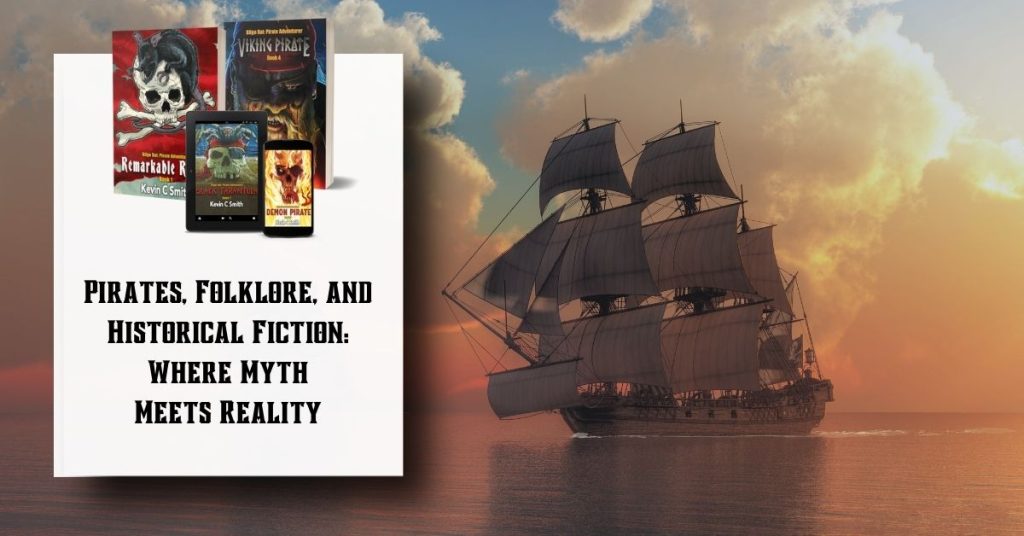
This fascinating intersection makes them perfect subjects for historical fiction, where the line between truth and myth blurs to create narratives that feel both authentic and wildly adventurous.
Pirates in Folklore: Legends That Outlive the Sailors
Folklore often takes a kernel of truth and spins it into something unforgettable. Pirate legends are no exception. Think of Blackbeard’s ghost, said to still haunt the waters of Ocracoke, North Carolina, or the enduring tales of hidden treasure buried on desolate islands. These stories became cultural touchstones long after the pirates themselves vanished from the seas.
“Pirates never truly die—they live on in the stories we tell and the myths we carry forward.”
Folklore gave pirates a kind of immortality, transforming them from criminals into cultural icons. It’s this transformation that historical fiction authors often seize upon, weaving together fact and fantasy to breathe new life into old tales.
Historical Fiction: Bridging Past and Present
Historical fiction thrives on this delicate balance. The goal is not only to entertain but also to illuminate history in a way that feels immediate and personal. Pirate fiction, in particular, benefits from folklore’s rich tapestry of legends. By using historical records as a foundation and folklore as inspiration, writers create narratives that are both educational and thrilling.
For example:
Treasure Island by Robert Louis Stevenson took cues from real buccaneers while introducing timeless tropes like treasure maps and the “X marks the spot” myth.
Sea Queens: Women Pirates Around the World by Jane Yolen (link: Goodreads) sheds light on historical female pirates while still embracing the drama of storytelling.
The Bilge Rat Pirate Adventure Series takes inspiration from seafaring history, mixing it with the dangerous allure of pirate myth to create an immersive fictional world.
“Historical fiction thrives when it dances between truth and tale—pirate stories are the perfect stage for that performance.”
Want to be the first to read Kevin C Smith's blog posts about the real hisotry of the pirates of our past? Sign up for the newsletter join us as we set sail exploring high seas - one pirate adventure at a time!
Pirates as Symbols: Rebellion, Freedom, and Fear
Pirates are more than their swords and sails; they are symbols. To some, they represent freedom—sailing beyond the reach of kings and laws. To others, they embody chaos and fear. Folklore often leans into these symbolic meanings, turning pirates into archetypes that resonate across cultures.
When woven into historical fiction, these archetypes allow readers to explore themes of justice, independence, and human ambition, all within the thrilling setting of the high seas.
Folklore in Practice: Examples That Blend Fact and Fiction
Here are three notable ways folklore directly shapes pirate storytelling:
Cursed Treasure Legends – Many stories claim that pirate treasure was cursed, ensuring doom for those who found it. Fictional works expand on this idea, making cursed gold central to the plot, as in Pirates of the Caribbean.
“The idea of cursed treasure turns material wealth into a moral test—a story thread as old as myth itself.”
Ghostly Encounters at Sea – From spectral ships like the Flying Dutchman to headless pirate apparitions, ghost stories offer tension and atmosphere. Historical fiction often borrows these myths to heighten suspense.
Exotic Hideouts and Lawless Havens – Islands like Tortuga became legendary because folklore exaggerated their danger and allure. Fiction seizes these places as natural backdrops for reinvention, rebellion, and adventure.
Why This Matters for Readers
When readers pick up pirate historical fiction, they’re not only diving into an adventure story—they’re engaging with centuries of cultural storytelling. Folklore brings color and depth, while historical detail grounds the tale in reality. Together, they create a powerful reading experience that feels both thrilling and meaningful.
“Every pirate tale is a map—one that leads us across oceans of history and myth to discover something new about ourselves.”

✨ Step into the world where legend meets history with the Bilge Rat Pirate Adventure Series
— a swashbuckling saga that blends the raw grit of historical detail with the timeless allure of folklore. From cursed islands and whispered superstitions to battles fought under blood-red skies, the series captures the thrill of life on the edge of the map while weaving in echoes of the myths that shaped seafaring culture. Perfect for readers who love historical fiction, nautical adventure, and the folklore of the sea, these tales invite you to escape into lawless frontiers and decide for yourself where history ends and legend begins.
Resources for Diving Deeper
Want to explore the worlds of pirate history and folklore for yourself? Here are some fantastic starting points:
Primary Source: National Archives on Pirates – Documents and articles about piracy’s real history.
Folklore Study: American Folklore: Pirate Legends – A collection of classic pirate tales.
Historical Fiction Example: Historical Novel Society – Reviews and discussions of historical fiction, including works on piracy.
Cultural Context: Smithsonian’s Pirate History Resources – Explore artifacts and articles related to pirates.
Conclusion: Sailing Between Myth and Memory
Pirates live in a space where folklore and fact intertwine. Historical fiction offers the perfect vessel to navigate these waters, capturing the excitement of myth while grounding it in human reality. The stories we tell about pirates aren’t just about the sea—they’re about freedom, fear, ambition, and the enduring power of storytelling.
So next time you dive into a pirate novel—whether it’s a classic like Treasure Island or a new adventure like the Bilge Rat Pirate Adventure Series—remember: you’re not just reading about history. You’re experiencing the myths that have shaped our cultural imagination for centuries.
“To read a pirate story is to set sail on the endless sea of human imagination, where fact and folklore share the same horizon.”